12 min read
Cracking the Google Code: 5 Strategic Truths Every Candidate Needs to Know Before the Interview
Google interviews can take up to four months. They test more than your technical skills — they test whether you think, decide, and communicate like a Googler. The candidates who make it through aren't just smart. They've decoded the system.
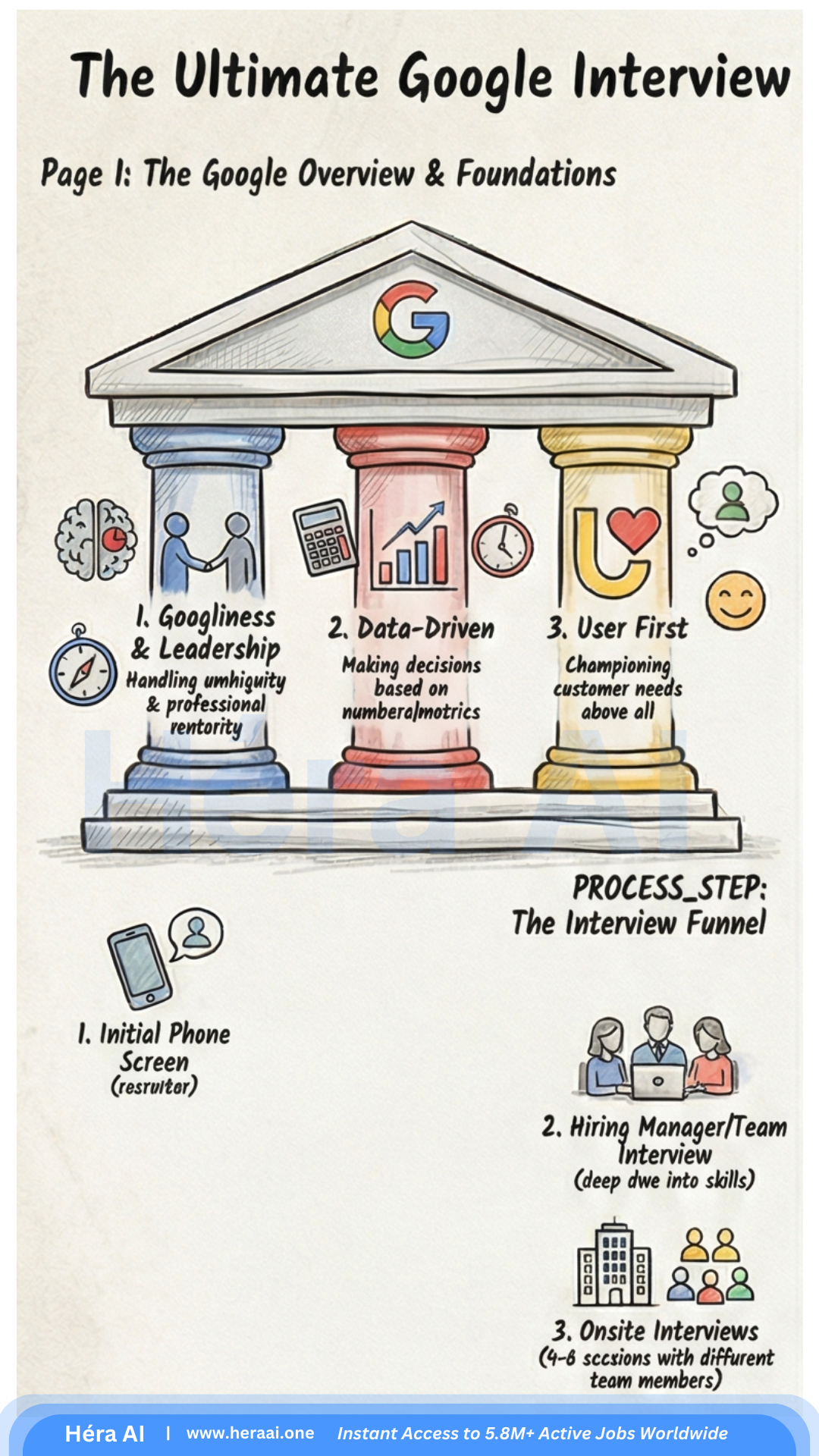
The AI boom has put Google at the center of every serious engineer's career ambitions. But landing a role here isn't just a test of what you know — it's a test of how you think. Google has a specific DNA they screen for at every stage: "Googliness". It's not a vague culture-fit buzzword. It's a precise combination of data-driven decision-making, genuine empathy, and the ability to operate confidently in ambiguous situations. Here are the five truths that will change how you prepare.
1. "Googliness" Is a Technical Standard — Not a Personality Test
Most candidates misread this. They prepare polished anecdotes about teamwork and assume that's enough. It isn't. Google's interviewers are using Googliness as a structured signal for professional maturity under pressure — specifically, your ability to drive outcomes in situations where the map doesn't exist yet.
2. Frameworks Are Your Scaffold — Not Your Script
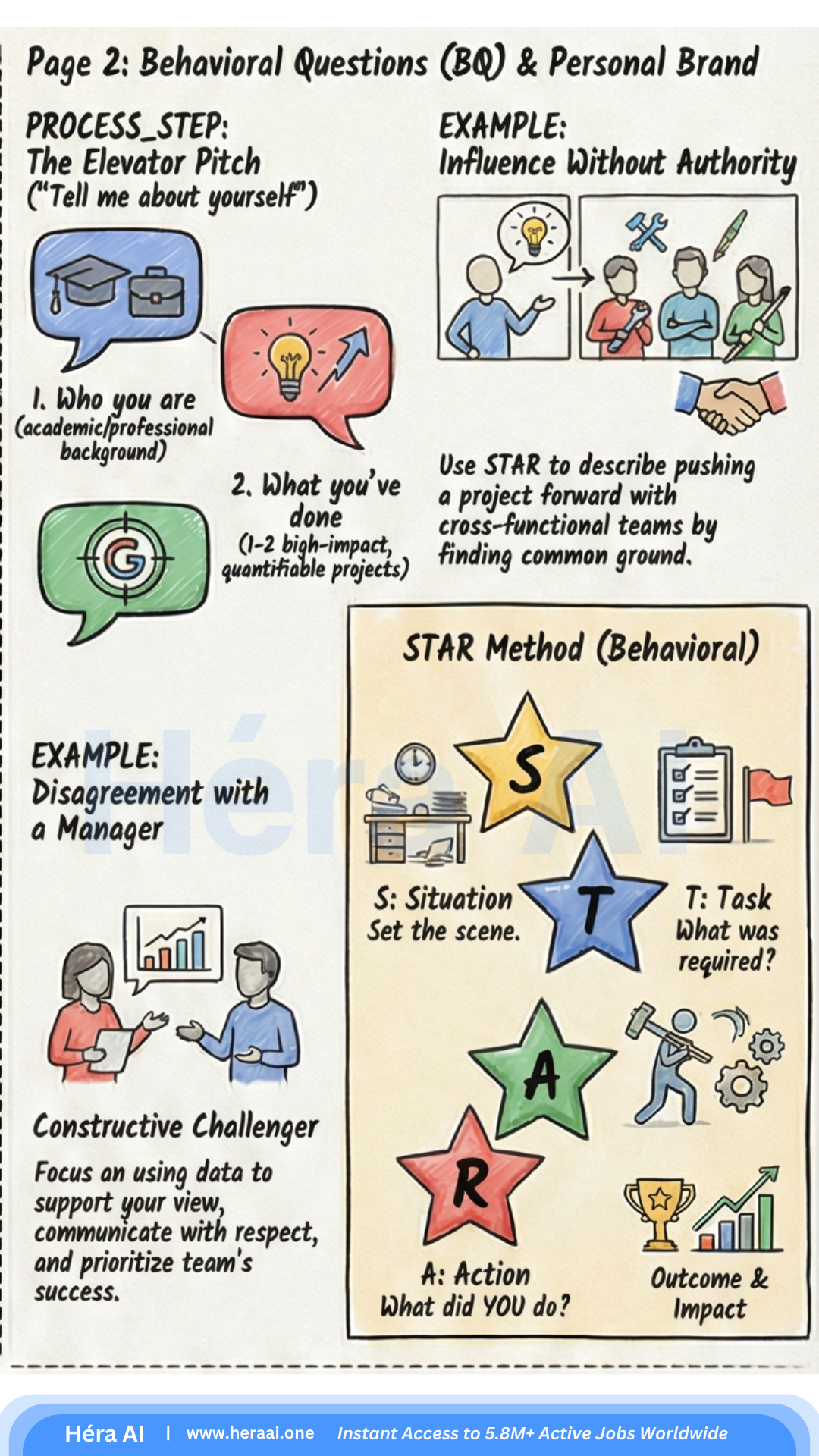
Every serious Google candidate knows STAR. Far fewer know how to use it as a thinking tool rather than a recitation template. The difference is visible within 90 seconds of your answer.
What interviewers are watching for: whether your 'Action' section shows genuine initiative — not just participation — and whether your 'Result' is quantified. An unquantified result signals that you weren't measuring what mattered.
3. Behavioral Answers Are Won or Lost Before You Speak
The most common mistake in Google behavioral interviews: candidates treat them as a storytelling exercise. Google treats them as a structured data collection exercise. Your answer is being evaluated against specific rubrics — not for narrative quality.
The preparation principle: build a Story Bank of 3–4 specific experiences before you walk in, each tagged to a core Googliness principle. Don't improvise this on the day.
4. Product Sense Questions Reward Diagnosis, Not Speed
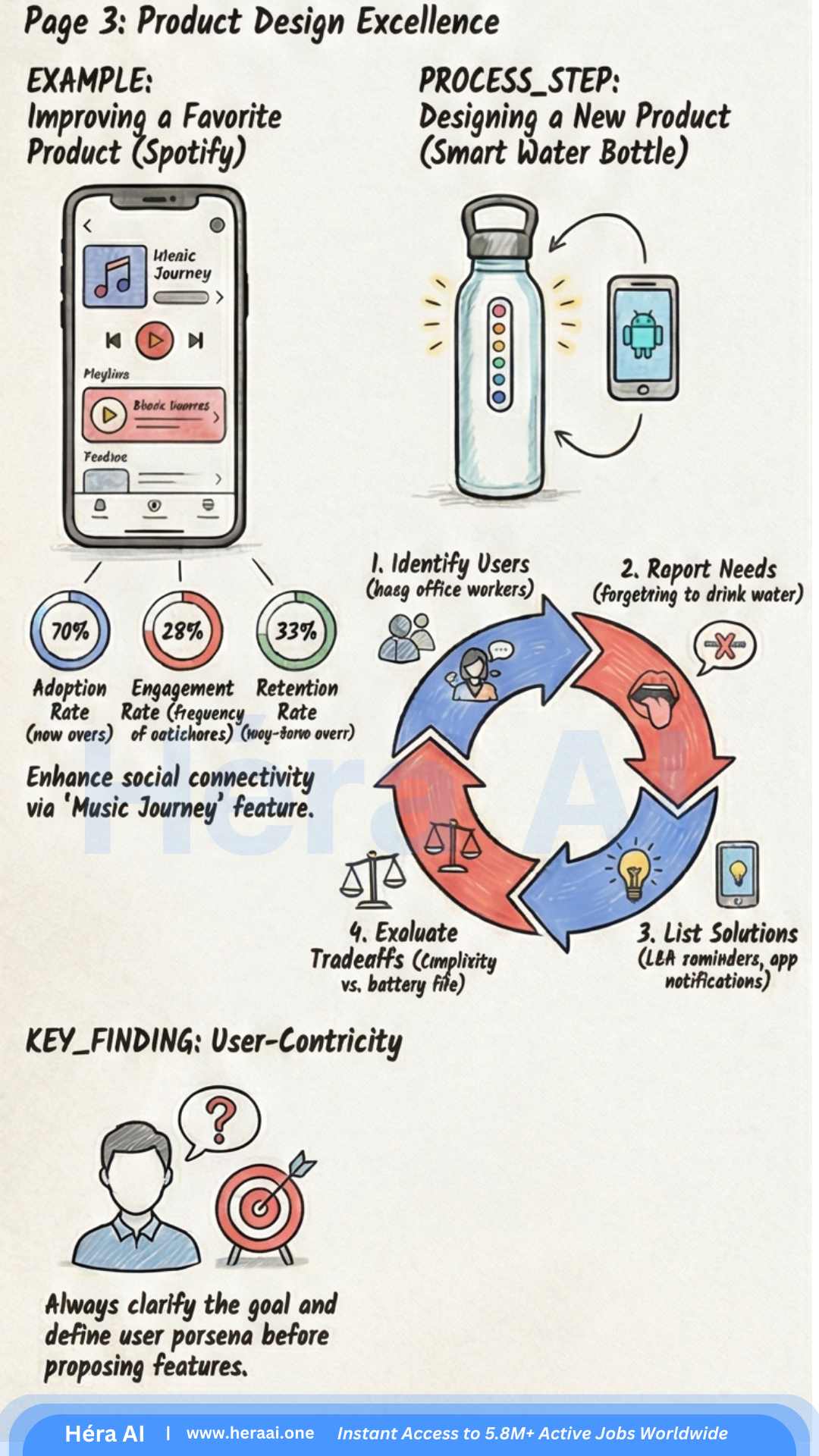
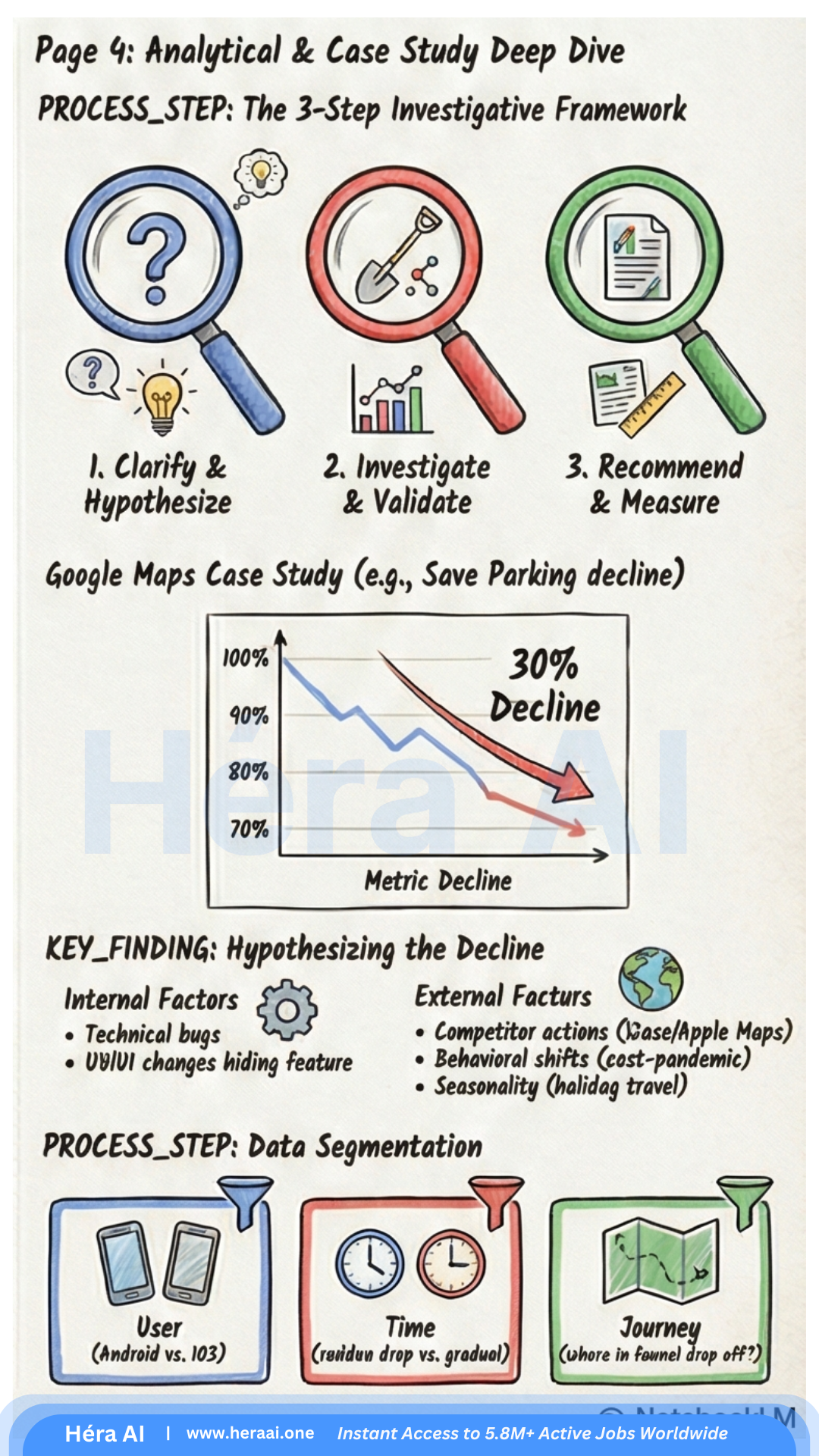
Google's product sense questions are designed to penalize the candidate who jumps straight to solutions. The correct opening move is always clarification — because the metric you're asked about is almost never the one that matters most.
The instinct to fix before you've diagnosed is the fastest way to signal inexperience. Interviewers want to see a systematic mind, not a fast one.
5. Strategy Questions Test Business Judgment, Not Just Marketing Knowledge
Google's strategy and marketing cases — like increasing YouTube Premium penetration in a new market — aren't looking for creativity. They're looking for analytical rigour and commercial awareness. The AARRR model is the structural backbone, but the quality of your answer lives in the economics.
The Candidates Who Get Offers Aren't Just Prepared — They Think Like Googlers Already
The Google interview process is long by design. Every touchpoint is an opportunity to demonstrate that you don't just know the frameworks — you've internalized the thinking behind them. Googliness isn't a performance. It's a consistent pattern of data-first reasoning, user-centered judgment, and intellectual honesty about what you don't know.
The candidates who reach the offer stage aren't necessarily the most technically accomplished in the room. They're the ones who make the interviewer feel like they're already talking to a colleague.
At HéraAI, that's the level of strategic clarity we help candidates develop — not just what to say in a Google interview, but how to think in one.