

Machine Learning Engineering has become the most critical — and most compensated — bridge role in enterprise technology. As AI moves from research labs into production infrastructure, organisations no longer just need people who can train models. They need engineers who can deploy them, monitor them, scale them, and keep them running at 24/7 reliability.
Market Snapshot 2026:
- $187,500: US median ML Engineer salary
- 78%: of postings are mid-level roles
- 43%: of US jobs in California + New York
- $350K+: senior / principal total compensation
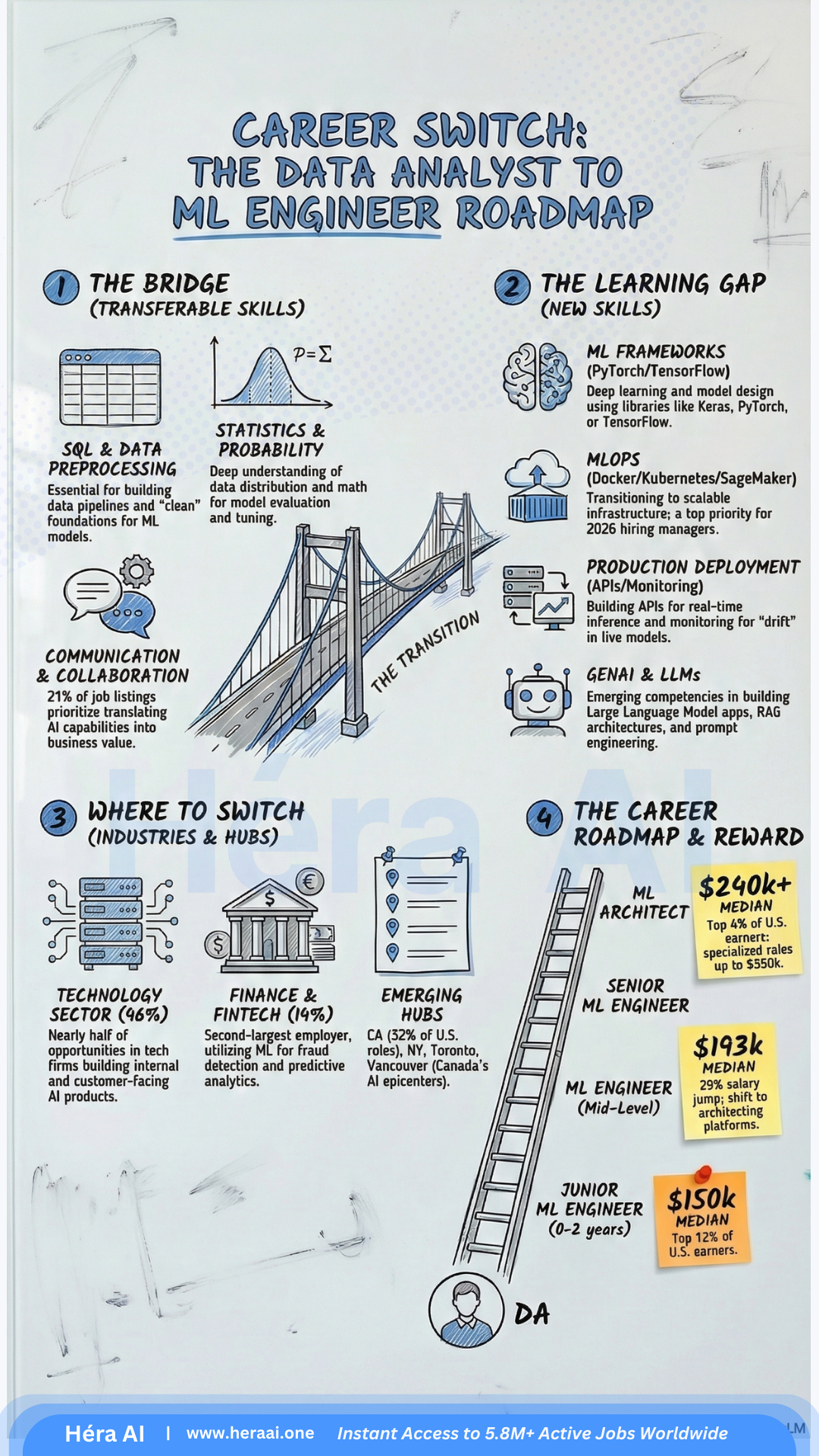
Figure 1: Comparison of market demand and salary growth projected through 2026.
5. The Pivot Playbook: Data Analyst to ML Engineer
The path from Data Analyst to ML Engineer is one of the most structurally logical career pivots in technology. The analytical foundations are directly transferable. The gap is specific and learnable. And the compensation uplift — from a typical analyst range of $70K–$100K to mid-level ML Engineer rates of $150K–$220K — is among the highest available in a single career transition.
| ✓ What You Already Bring | → What You Need to Build |
|---|---|
| Data cleaning, preprocessing, and feature engineering fundamentals | SQL fluency for pipeline construction and data querying |
| Statistical reasoning: probability, hypothesis testing | MLOps stack: Docker, Kubernetes, AWS SageMaker |
| Exploratory data analysis (Tableau / Power BI) | GenAI stack: LLMs, RAG architectures, Prompt Engineering |
6. A Structured 12-Month Pivot Timeline
Months 1–3 — Production Python
Move from notebook scripting to production-grade code. Learn testing (pytest) and Git.
Months 3–6 — MLOps Foundations
Docker, Kubernetes basics, and one cloud ML platform (AWS/Azure).
Months 6–12 — GenAI & Portfolio
Build a working RAG application. Prepare for system design interviews.
This article is part of the Career Pivot Navigator series from HéraAI.